Silicone molds are widely used in manufacturing, prototyping, and small-batch production due to their flexibility, durability, and excellent surface reproduction. From industrial components to handmade products, silicone molds offer a reliable solution for creating consistent and detailed parts.
This article explains what a silicone mold is, how it works, and why it is commonly chosen over other mold materials.
What Is a Silicone Mold
A silicone mold is a mold made from liquid silicone rubber that cures into a flexible and elastic form. Once cured, the mold can be used to cast or shape various materials by pouring or injecting them into the mold cavity.
Unlike rigid molds, silicone molds can be flexed during demolding, making it easier to release complex or undercut shapes without damaging the final product.
Silicone molds are typically made using RTV (room temperature vulcanizing) silicone, which cures at room temperature without the need for high-pressure equipment.
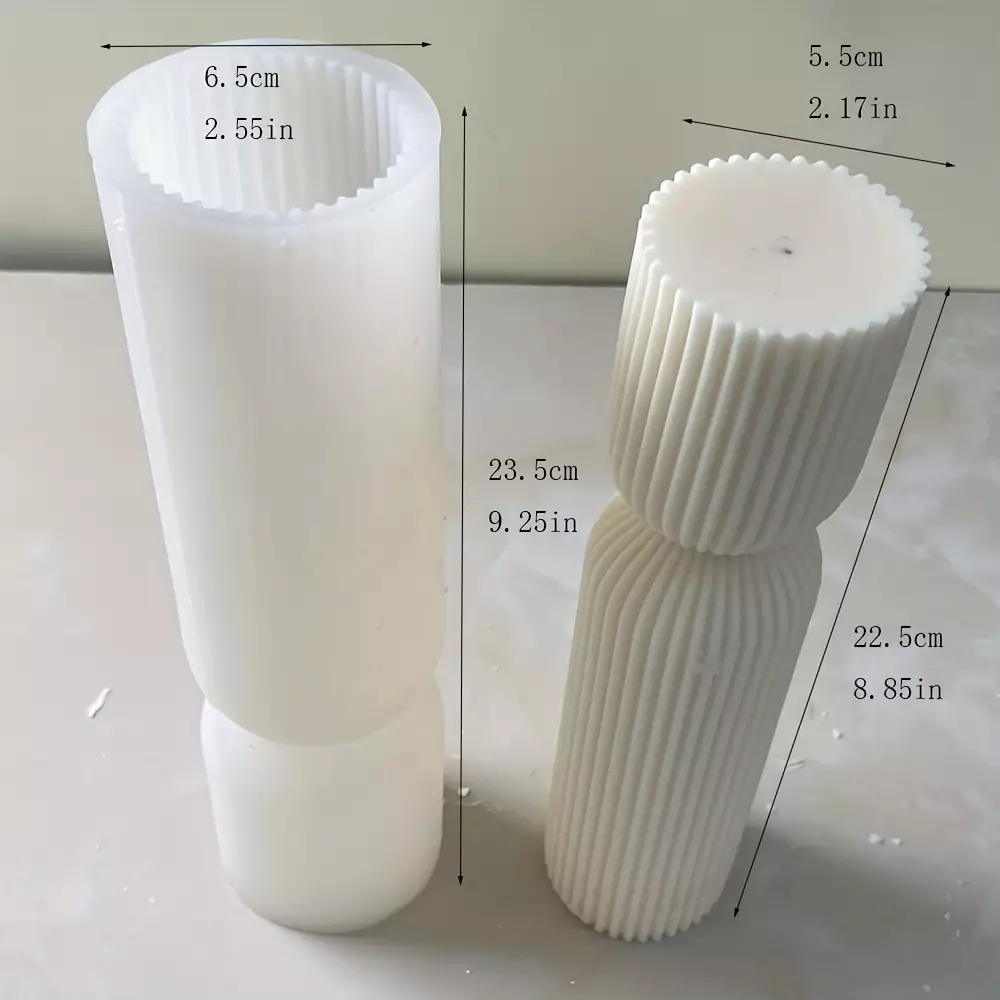 silicone mold used for casting with flexible rubber structure
How Does a Silicone Mold Work
The basic working principle of a silicone mold involves three main steps:
-
Creating a master pattern
A master pattern (also called a master model) defines the final shape and surface details of the product. -
Forming the silicone mold
Liquid silicone is poured or injected around the master pattern and allowed to cure. After curing, the master pattern is removed, leaving a negative cavity inside the silicone mold. -
Casting or molding the material
The target material (such as wax, resin, or other compounds) is poured into the silicone mold. Once the material sets or solidifies, the flexible silicone mold allows easy removal of the finished part.
This flexibility is what makes silicone molds particularly suitable for detailed and three-dimensional designs.
Key Characteristics of Silicone Molds
Silicone molds are valued for several technical advantages:
-
Flexibility – Allows easy demolding without damaging the product
-
High detail reproduction – Captures fine textures and sharp edges
-
Chemical resistance – Compatible with many casting materials
-
Thermal stability – Maintains performance under elevated temperatures
-
Reusability – Suitable for repeated casting cycles
These properties make silicone molds suitable for both prototyping and production use.
Common Applications of Silicone Molds
Silicone molds are used across multiple industries and applications, including:
-
Casting and molding processes
-
Prototyping and product development
-
Small-batch and custom manufacturing
-
Industrial and craft-based production
The exact silicone formulation and mold design depend on the intended use and material being cast.
How to Choose the Right Silicone Mold
Selecting the right silicone mold depends on several factors:
-
Material to be cast – Different materials require different silicone properties
-
Surface detail requirements – Higher detail requires higher-quality silicone
-
Mold life expectancy – Influenced by silicone type and usage conditions
-
Flexibility and hardness – Determined by the mold’s geometry and application
Understanding these factors helps ensure consistent results and longer mold life.
Conclusion
Silicone molds provide a flexible and reliable molding solution for a wide range of applications. By understanding how silicone molds are made and how they work, manufacturers and designers can make informed decisions when selecting the right mold solution for their projects.
A solid understanding of silicone mold fundamentals is the first step toward achieving consistent quality and efficient production.
