
What Is a Silicone Mold?
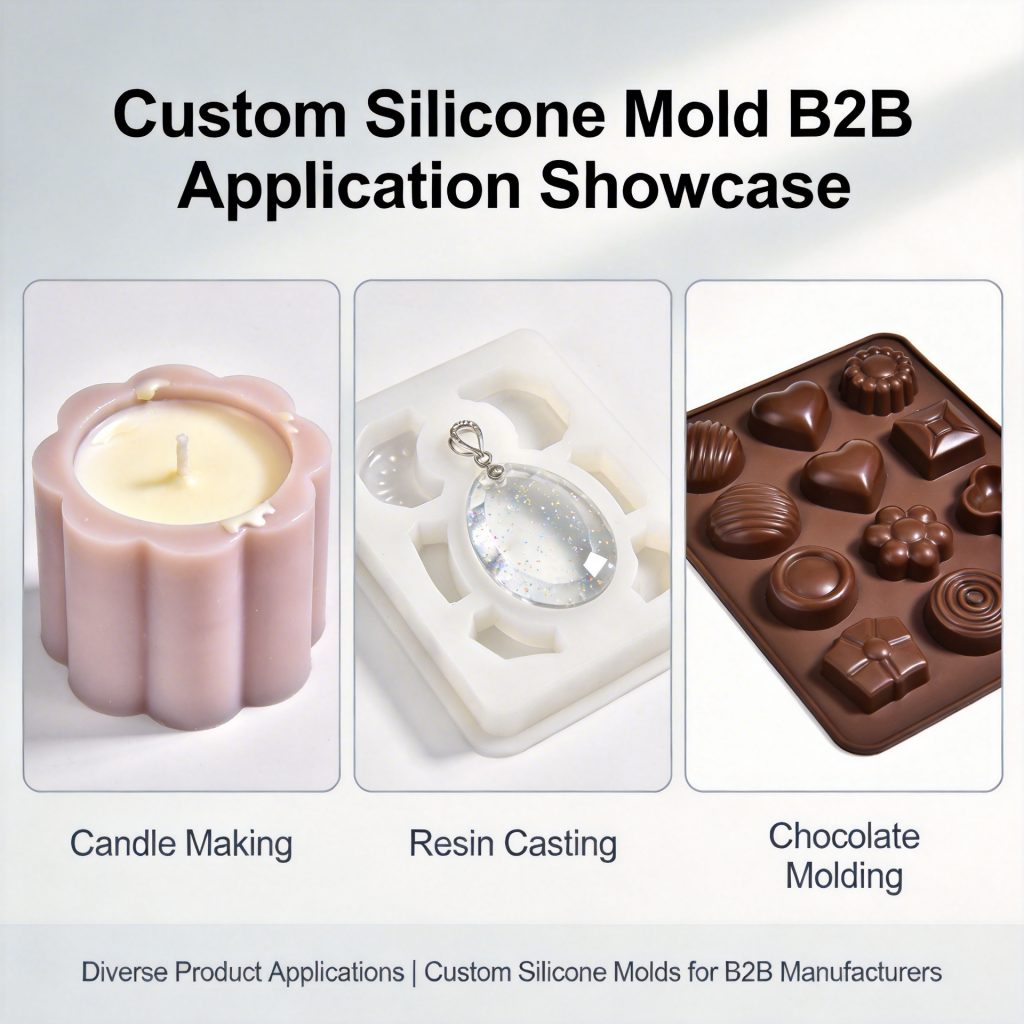
A silicone mold is a flexible, rubber-like tool used to shape materials like wax, resin, chocolate, soap, and concrete into specific forms. Unlike rigid metal or plastic molds, silicone molds can bend, stretch, and release detailed products without breaking. For business-specific solutions, see our Custom Silicone Mold Making Service. Explore silicone molds for candle, soap, resin, plaster and concrete casting for finished-mold options.
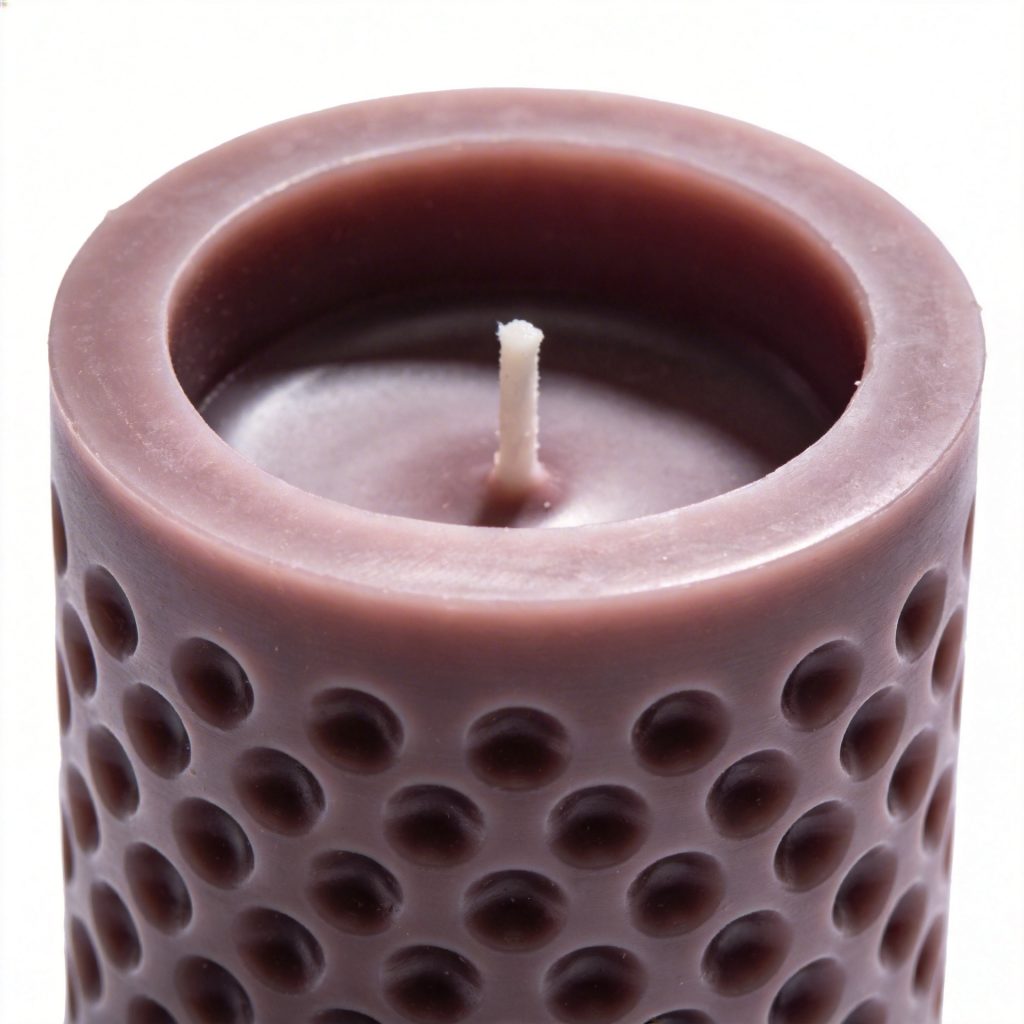
Silicone molds are made from silicone rubber, usually platinum cure or tin cure silicone. Platinum cure silicone is food-safe and ideal for candle making, chocolate molding, and resin casting. Tin cure silicone is cheaper but not food-safe, better for industrial prototyping.
In our mold-making projects at BKSilicone, we found that platinum cure silicone lasts 3-5 years longer than tin cure when used regularly for candle and resin production. This matters if you plan to reuse molds hundreds of times.
How Silicone Molds Work in Manufacturing
The basic principle is simple: liquid material fills the silicone mold cavity, hardens, and the flexible mold peels away without damaging the product.
Key advantages for manufacturing:
- Flexible release: Silicone molds can release complex shapes with undercuts, deep textures, or fine details. Rigid molds cannot.
- Heat resistance: Silicone withstands temperatures up to 200-250°C (392°F–482°F), suitable for hot wax pouring and baked goods.
- Reusability: A single mold can produce 50-500+ copies depending on material, hardness, and maintenance.
Worth noting: silicone molds are not magic. They work best when:
- The master pattern is high quality
- The silicone hardness matches the product complexity
- The pouring technique avoids air bubbles
Types of Silicone Molds for Different Applications
Different products need different mold structures. Here is a comparison:
Silicone Mold Types Comparison Table
| Mold Type | Best For | Hardness (Shore A) | Typical Lifespan | Production Volume |
|---|---|---|---|---|
| Single-piece block mold | Simple shapes, flat designs | 10-20 | 100-300 casts | Low volume, DIY |
| Two-part split mold | 3D objects, deep relief | 20-30 | 200-500 casts | Medium volume |
| Multi-cavity production mold | Mass production, wholesale | 25-40 | 500-1000+ casts | High volume, B2B |
| Thin-shell flexible mold | Large flat items, trays | 10-15 | 50-100 casts | Low volume, fragile |
For example, a multi-cavity production mold can produce 12-24 candle pieces per cycle, reducing per-unit cost significantly for wholesale orders.
Silicone Mold Manufacturing Process: Step-by-Step
Here is how custom silicone molds are made in a factory environment:
5-Step Custom Mold Production Guide
| Step | Action | Details |
|---|---|---|
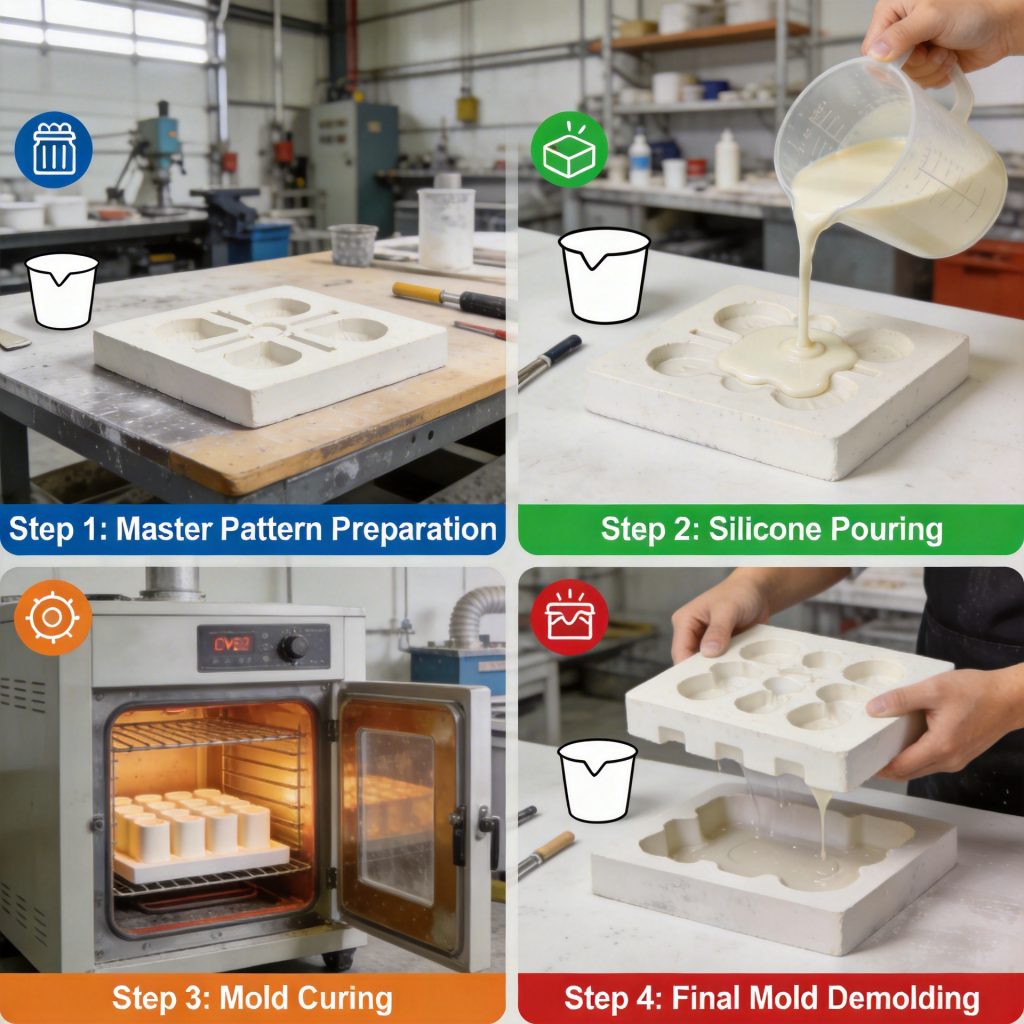
| 1. Master Pattern Preparation | Create or receive the original model | 3D printed master, CNC carved sample, or client-provided prototype. Surface must be smooth and sealed. |
| 2. Mold Box Construction | Build a container to hold silicone around the pattern | Use acrylic, wood, or plastic walls. Size depends on pattern volume. |
| 3. Silicone Mixing & Pouring | Mix platinum silicone, degas, pour slowly | Mix ratio usually 1:1 or 10:1 by weight. Vacuum degassing removes bubbles. Pour from one corner to reduce air traps. |
| 4. Curing & Demolding | Wait for silicone to cure, remove master pattern | Platinum silicone cures in 4-8 hours at room temperature. Heat can accelerate curing. Demold carefully to avoid tearing. |
| 5. Final Check & Testing | Inspect mold surface, test first cast | Check for air bubble holes, incomplete filling, or surface defects. Test with actual production material. |
In practice, BKSilicone uses 3D printed master patterns for most custom mold projects. This reduces pattern preparation time from 5-10 days (hand carving) to 1-3 days (3D printing).
Common Mistakes When Using Silicone Molds
Many users assume silicone molds work perfectly every time. Actually, several common mistakes reduce mold life and product quality.
Common Mistakes / Warning Block
| Mistake | Why It Happens | How to Avoid |
|---|---|---|
| Pouring too hot | Wax/resin above silicone heat limit | Keep pouring temperature below 200°C (392°F). Use thermometer. |
| Not using release agent | Assumed silicone never needs release | For sticky materials like epoxy, use silicone spray or release agent occasionally. |
| Overstretching during demold | Pulling too hard on thin silicone | Demold slowly, support thin areas, peel from edges. |
| Ignoring mold cleaning | Old residue builds up, affects surface | Clean with warm water and soft brush after each session. |
| Choosing wrong hardness | Soft mold for complex shape = deformation | For detailed 3D designs, use Shore A 20-30 silicone. |
Warning: Never expose platinum cure silicone to sulfur-containing clays or tin cure residues. This can cause inhibition, where silicone fails to cure properly. This is a chemical reaction issue, not a mold defect.
When to Choose Custom Silicone Molds
Not every project needs custom molds. Here is when it makes sense:
Choose custom silicone molds when:
- You need unique shapes not available in ready-made catalogs
- You plan repeated production (100+ units per design)
- You want brand-specific details (logo, signature texture, custom relief)
- You need multi-cavity efficiency (6-24 pieces per cycle)
- You want OEM/ODM differentiation from competitors
For small DIY experiments (1-10 pieces), ready-made molds are cheaper. For wholesale production or brand products, custom molds reduce per-unit cost and create product uniqueness. Learn more about our custom mold service workflow.
In our experience at BKSilicone, most candle brand clients and DIY resellers order custom molds after testing ready-made molds for 3-6 months. The transition happens when:
- They find market demand for a specific design
- They want to control product appearance fully
- They need consistent quality across batches
Checklist for Silicone Mold Buyers
Before ordering silicone molds, especially custom orders, check these points:
Buyer Checklist
| Check | Why It Matters |
|---|---|
| ✅ Confirm material compatibility | Silicone type must match your product (food-safe or industrial) |
| ✅ Verify hardness choice | Shore A 10-15 for simple shapes, 20-30 for detailed 3D |
| ✅ Check mold cavity count | Single cavity for prototypes, multi-cavity for production |
| ✅ Ask about mold lifespan | 100-500+ casts depending on silicone quality and usage |
| ✅ Confirm master pattern source | 3D printed, CNC, or your provided sample |
| ✅ Check lead time | 5-15 days for custom molds, depending on complexity |
| ✅ Verify minimum order | Low MOQ available from factory-direct suppliers |
| ✅ Ask about packaging & labeling | Bulk packaging, custom labels for B2B orders |
Need Custom Silicone Molds for Your Business?
If you are exploring custom silicone molds for candle production, resin casting, or wholesale manufacturing, BKSilicone provides factory-direct custom mold service with low MOQ and 3D printed master pattern support. Contact us to discuss your design requirements.