Silicone molds have become essential tools across multiple industries, from candle manufacturing to concrete casting. Their versatility, durability, and cost-effectiveness make them ideal for both small-scale custom projects and large-volume production runs. At BKSilicone, we work with businesses across different sectors, helping them choose the right silicone mold solutions for their specific applications. Explore silicone molds for candle, soap, resin, plaster and concrete casting for finished-mold options.
What Are Silicone Mold Applications?
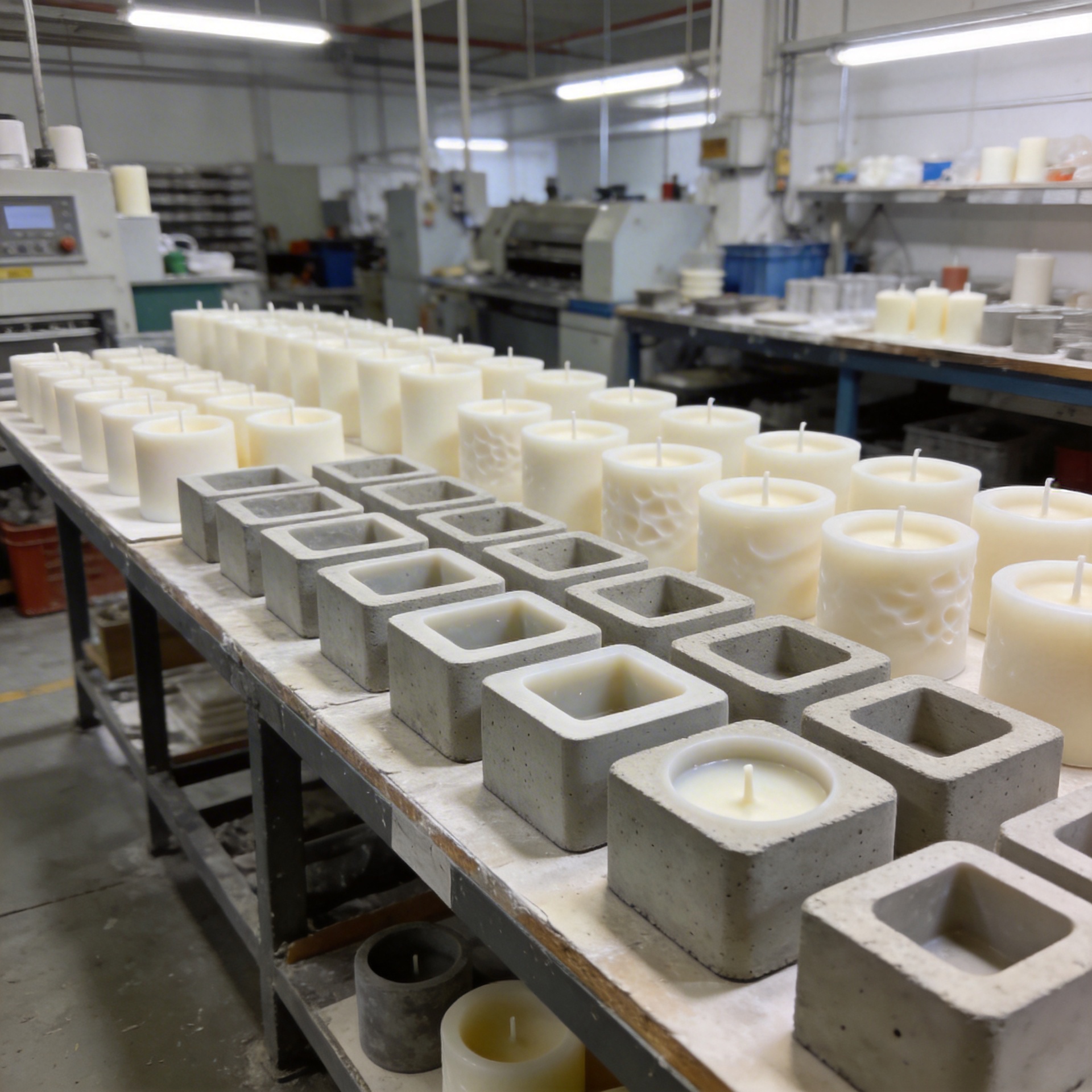
Silicone mold applications refer to the use of flexible silicone rubber molds for casting various materials into specific shapes. Unlike rigid molds made from metal or plastic, silicone molds offer unique advantages:
- Flexibility: Easy demolding without damaging intricate details
- Heat resistance: Suitable for both low and high-temperature casting materials
- Chemical resistance: Compatible with resins, concrete, wax, and various polymers
- Reusability: Hundreds of casting cycles with proper maintenance
- Customization: Can be tailored to any design requirement
These properties make silicone molds valuable across industries ranging from consumer goods manufacturing to industrial components production.
Industries That Use Silicone Molds
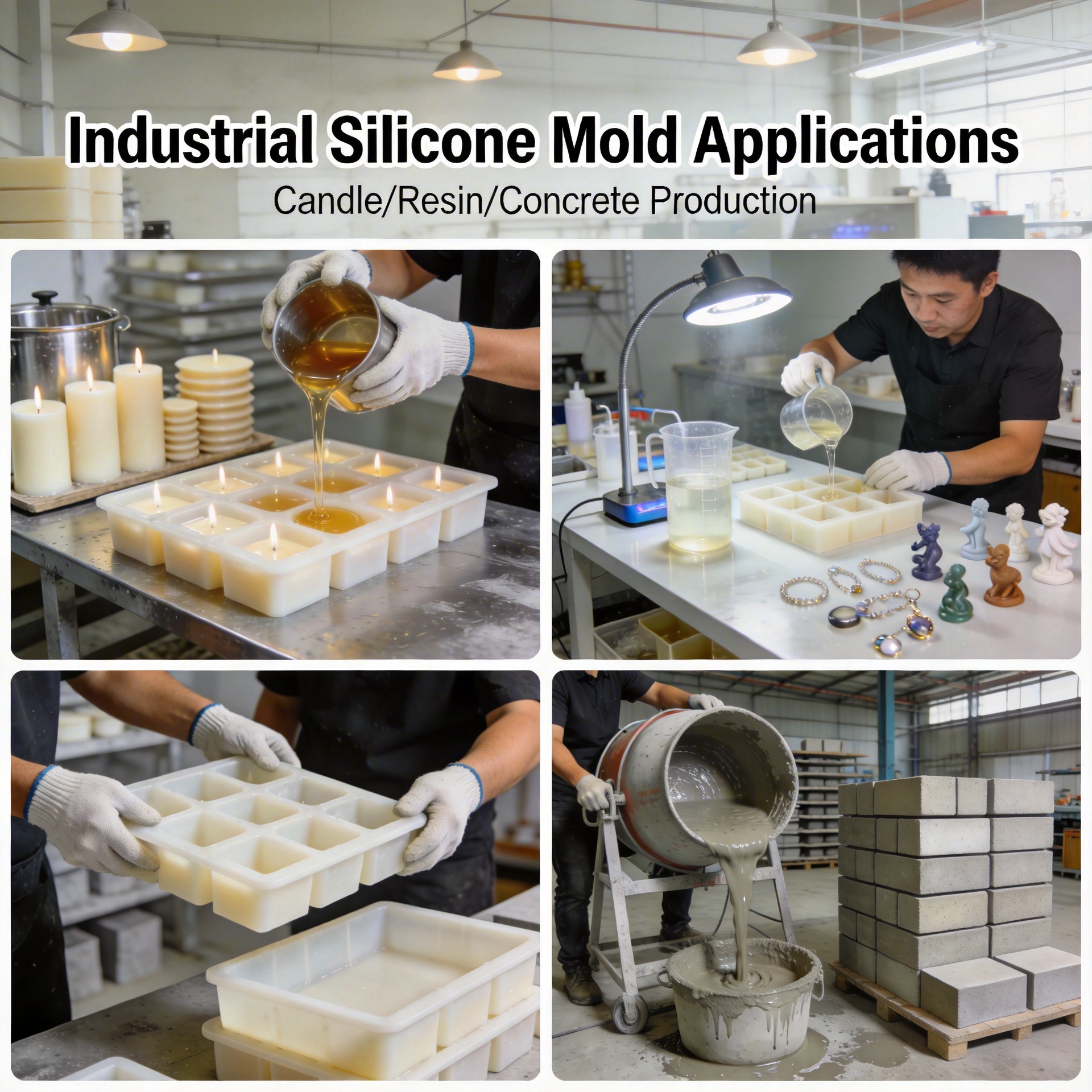
Silicone molds serve diverse industries with different casting requirements. Here are the primary sectors where silicone molds play a crucial role:
| Industry | Primary Applications | Typical Casting Materials | Mold Lifespan |
|---|---|---|---|
| Candle Manufacturing | Scented candles, decorative candles, pillar candles | Paraffin wax, soy wax, beeswax | 500-1000 cycles |
| Resin Casting | Art pieces, jewelry, decorative items, prototypes | Epoxy resin, polyurethane resin | 200-500 cycles |
| Concrete Casting | Decorative concrete, planters, architectural elements | Concrete mix, cement, gypsum | 50-200 cycles |
| Soap Manufacturing | Handmade soaps, decorative soap bars | Melt-and-pour soap base, cold process soap | 300-600 cycles |
| Food Industry | Chocolate molds, candy molds, ice molds | Chocolate, fondant, gelatin | 1000+ cycles (food-grade silicone) |
| Prototyping & Product Development | Concept models, functional prototypes, test samples | Various materials for testing | 50-100 cycles |
How Silicone Molds Work in Different Industries
Each industry has specific requirements for silicone mold performance. Understanding how silicone molds function in different contexts helps businesses optimize their production processes.
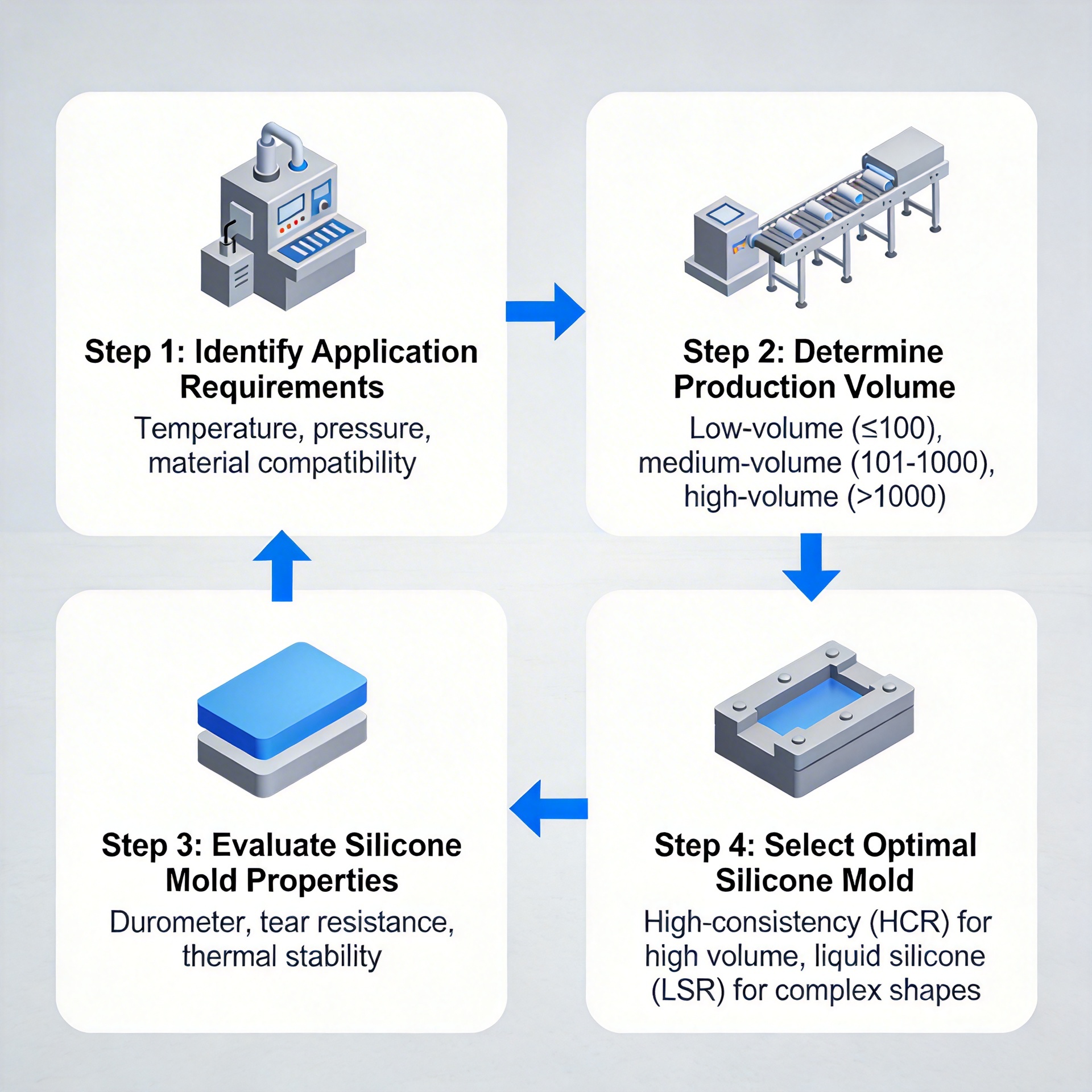
5-Step Process for Industrial Silicone Mold Use
- Material Preparation: Select appropriate casting material based on industry requirements. For candles, heat wax to optimal pouring temperature (160-180°F (71°C–82°C)). For resin, mix components according to manufacturer specifications. For concrete, prepare mix with correct water-to-cement ratio.
- Mold Preparation: Clean silicone mold surface and apply appropriate release agent if needed. For food applications, ensure food-grade certification. For concrete casting, consider using a mold release spray to extend mold lifespan.
- Casting Process: Pour casting material into silicone mold slowly to avoid air bubbles. For detailed designs, use vibration or vacuum degassing techniques. Maintain appropriate curing temperature based on material type.
- Curing Time: Allow adequate curing time. Candle wax: 2-4 hours cooling. Epoxy resin: 24-72 hours depending on formulation. Concrete: 24-48 hours initial cure, 7-28 days full cure.
- Demolding: Flex silicone mold gently to release cast part. For intricate designs, peel mold away carefully. Inspect mold for damage or residue before next casting cycle.
This process varies slightly by industry, but the core principles remain consistent: proper material preparation, careful casting, adequate curing, and gentle demolding preserve both mold quality and cast part integrity.
Silicone Mold Types for Different Industries
Not all silicone molds suit every application. Understanding silicone types helps businesses choose appropriate solutions:
| Silicone Type | Best Applications | Key Properties | Cost Range |
|---|---|---|---|
| Platinum Cure Silicone | Food molds, medical applications, high-detail casting | Food-safe, low shrinkage, excellent detail reproduction | Higher ($50-100/lb) |
| Tin Cure Silicone | Industrial casting, concrete molds, prototyping | Cost-effective, good durability, moderate shrinkage | Lower ($20-40/lb) |
| Food-Grade Silicone | Chocolate, candy, baking applications | FDA compliant, heat resistant, easy cleaning | Mid-range ($30-60/lb) |
| High-Temperature Silicone | High-temp casting, automotive, industrial components | Heat resistant up to 500°F (260°C), excellent durability | Higher ($60-120/lb) |
Common Mistakes When Selecting Industrial Molds
⚠️ Warning: Avoid these costly mistakes when choosing silicone molds for industrial applications.
- Mistake 1: Choosing wrong silicone type – Using tin-cure silicone for food applications violates safety regulations. Always verify silicone certification for your industry.
- Mistake 2: Ignoring production volume – Low-quality silicone molds fail after 50 cycles, while industrial-grade molds last 1000+ cycles. Calculate total production needs before selecting mold quality.
- Mistake 3: Overlooking material compatibility – Some resins react with certain silicone formulations, causing sticking or mold degradation. Test material compatibility before bulk production.
- Mistake 4: Underestimating detail complexity – Intricate designs require higher-grade silicone with better tear strength. Budget silicone molds tear during demolding of complex parts.
- Mistake 5: Skipping mold maintenance – Silicone molds require cleaning and proper storage. Neglecting maintenance reduces lifespan by 50% or more.
These mistakes cost businesses thousands in mold replacements and production delays. Proper planning and supplier consultation prevent most issues.
Checklist for Industrial Silicone Mold Selection
- ✅ Identify casting material type (wax, resin, concrete, food materials)
- ✅ Calculate production volume (annual casting cycles needed)
- ✅ Verify industry regulations (food safety, medical standards, etc.)
- ✅ Assess design complexity (detail level, undercuts, texture requirements)
- ✅ Determine operating temperature range (material pouring temperature)
- ✅ Check chemical compatibility (casting material vs. silicone formulation)
- ✅ Establish maintenance protocol (cleaning, storage, inspection schedule)
- ✅ Request supplier certification (material safety data, quality testing results)
- ✅ Calculate total cost per cycle (mold cost ÷ expected lifespan)
- ✅ Plan replacement timeline (when to order new molds based on production schedule)
This checklist helps businesses make informed decisions when sourcing silicone molds for industrial applications. Working with experienced mold manufacturers like BKSilicone ensures proper guidance throughout the selection process.
When to Choose Custom Silicone Molds
Custom silicone molds become necessary when standard molds cannot meet production requirements:
- Unique designs: Custom product shapes requiring bespoke mold dimensions
- High production volumes: Large-scale production requiring multiple identical molds
- Industry-specific requirements: Food-grade, medical-grade, or other regulatory compliance needs
- Complex geometries: Intricate details, multiple undercuts, or multi-part molds
- Special materials: Casting materials with specific compatibility requirements
Custom silicone mold manufacturing typically requires 3-4 weeks from design approval to production-ready molds. At BKSilicone, we offer custom silicone mold making service with 3D printed master patterns and rapid prototyping options.
Silicone Mold Applications for Small Batch Production
Small batch production benefits significantly from silicone molds:
- Low tooling cost: Silicone molds cost 10-20% of injection molding tooling
- Quick turnaround: 1-2 weeks vs. 6-8 weeks for metal molds
- Easy modifications: Design changes implemented in days, not months
- Minimal inventory risk: Produce batches as needed without large upfront investment
- Customization flexibility: Offer personalized designs without expensive tooling changes
For businesses testing new products or serving niche markets, silicone molds provide the ideal balance of cost, speed, and quality.
Choosing the Right Silicone Mold Manufacturer
Working with an experienced silicone mold manufacturer ensures:
- Technical expertise: Proper silicone selection for your application
- Quality materials: Consistent silicone formulations with tested performance
- Custom capabilities: Design support, prototyping, and production optimization
- After-sales support: Maintenance guidance, replacement scheduling, troubleshooting
At BKSilicone, we provide industrial-grade silicone molds for candle, resin, concrete, and other casting applications. Our silicone mold basics guides help businesses understand material options and production best practices.
Conclusion
Silicone mold applications span diverse industries, from candle manufacturing to concrete casting and prototyping. Understanding industry-specific requirements, material compatibility, and mold quality factors helps businesses make informed decisions. Whether you need standard molds for small batches or custom solutions for large-scale production, choosing the right silicone mold manufacturer ensures long-term production success.
Need silicone molds for your industrial application? Contact BKSilicone for technical consultation and custom mold solutions tailored to your production requirements.