What Is the Difference Between Platinum Silicone and Tin Silicone?
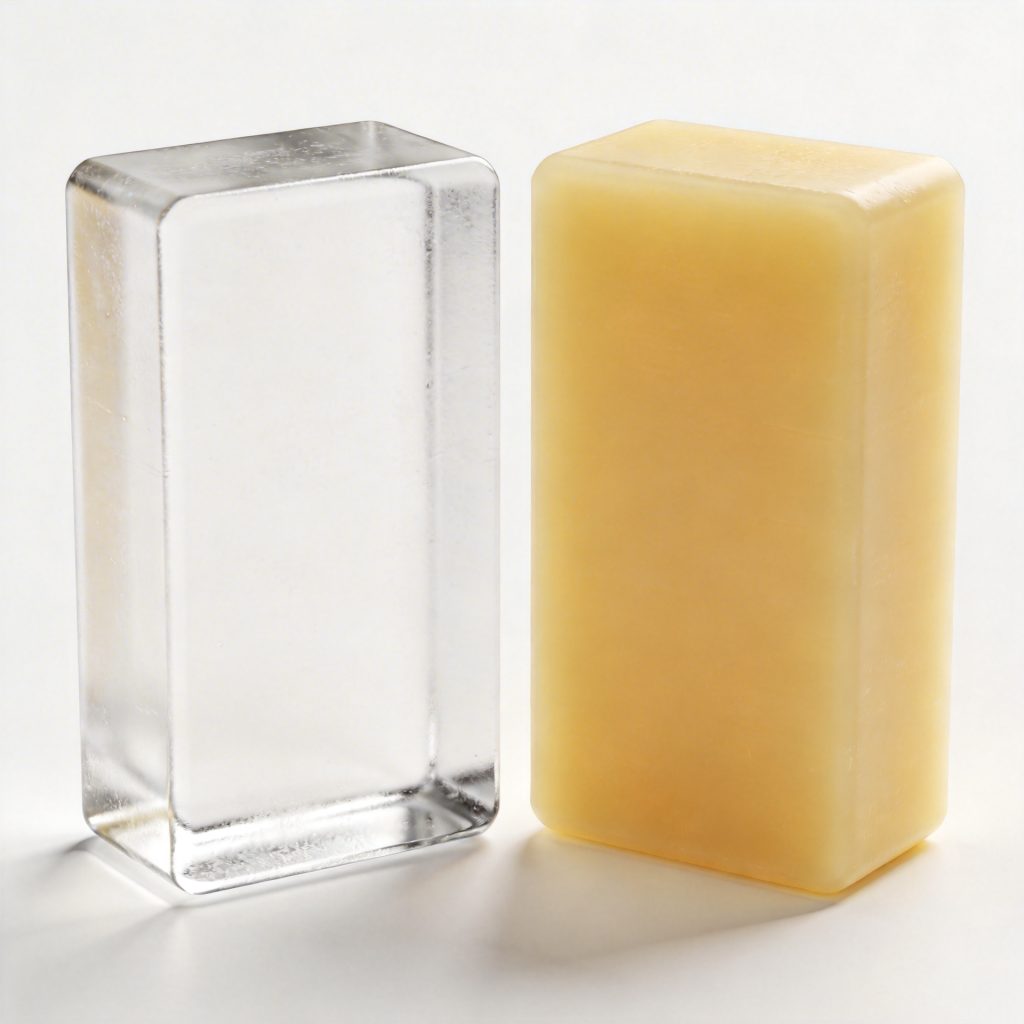
Platinum silicone and tin silicone are the two main silicone types used for mold making. Both are liquid silicone rubbers (LSR) that cure into flexible molds, but they differ in chemistry, safety, durability, and cost. Review BK-A platinum-cure silicone in Shore A5 and A15 when comparing material options for a mold-making project.
At BKSilicone, we work with both silicone types daily. Choosing the right one depends on your casting material, safety requirements, production volume, and budget.
Platinum Silicone vs Tin Silicone Comparison Table
| Property | Platinum Silicone | Tin Silicone | Best For |
|---|---|---|---|
| Curing mechanism | Platinum catalyst (addition cure) | Tin catalyst (condensation cure) | Platinum for food-safe, tin for industrial |
| Shrinkage | Very low (0.1-0.5%) | Higher (1-3%) | Platinum for precision dimensions |
| Durability | 200-1000+ casts | 50-200 casts | Platinum for production molds |
| Safety | Food-safe, skin-safe | Not food-safe, may irritate skin | Platinum for food/chocolate molds |
| Heat resistance | Up to 250°C (482°F) | Up to 180°C (356°F) | Platinum for hot wax casting |
| Cost | Higher (2-3x tin silicone) | Lower | Tin for budget DIY projects |
| Cure time | 4-8 hours at room temperature | 30-60 minutes at room temperature | Tin for quick prototypes |
| Inhibition risk | Sensitive to sulfur, tin residue, latex | Less sensitive | Tin for complex environments |
| Reusability | Can be remelted (some grades) | Cannot be remelted | Platinum for long-term use |
| Shelf life (uncured) | 6-12 months | 12-24 months | Tin for occasional use |
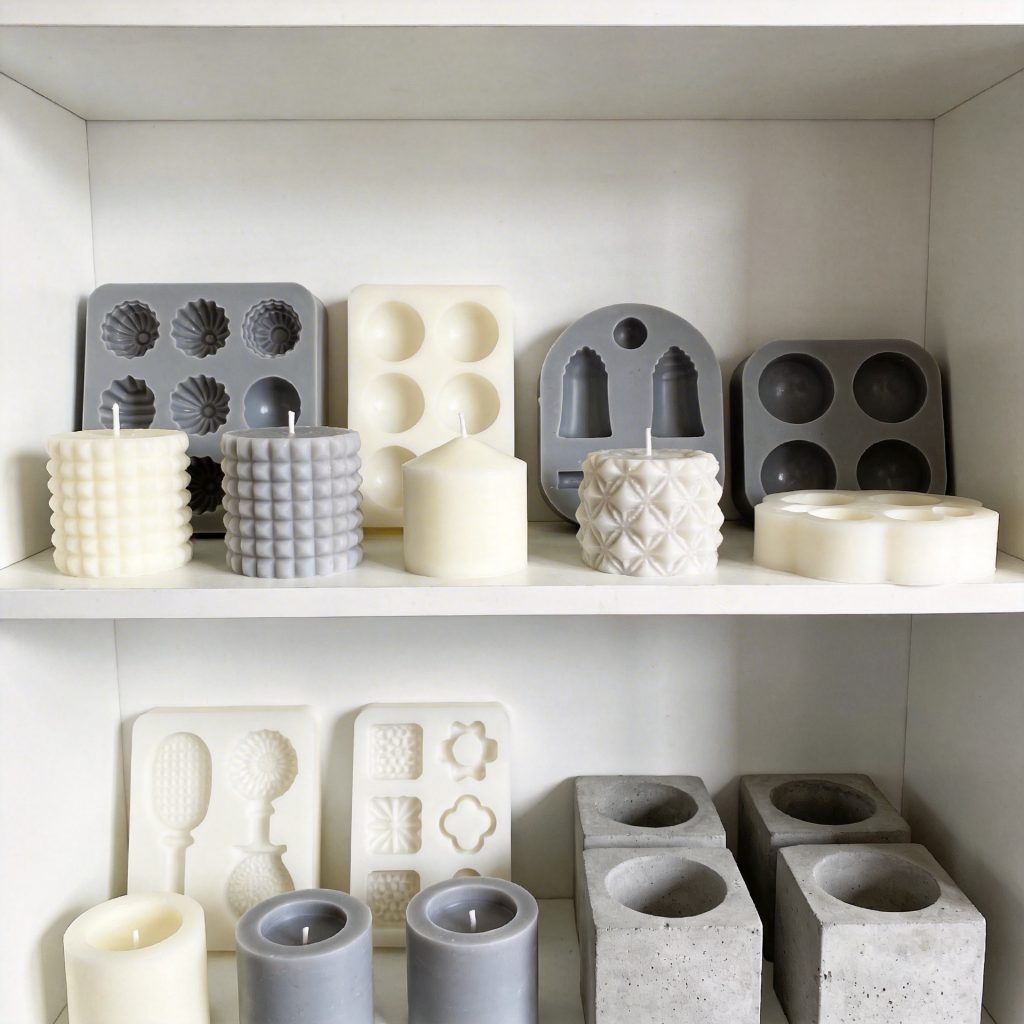
For example, a platinum silicone candle mold can last 500+ casts with proper care, while a tin silicone mold may degrade after 50-100 casts due to chemical breakdown.
How to Choose Between Platinum Silicone and Tin Silicone
Choosing the right silicone type depends on 5 key factors. Here is a step-by-step decision guide:
5-Step Silicone Selection Guide
| Step | Question | If Yes → Choose | If No → Choose |
|---|---|---|---|
| 1. Food contact? | Will your product touch food, skin, or lips? | Platinum silicone (food-safe) | Tin silicone (acceptable) |
| 2. Production volume? | Will you make 200+ casts from one mold? | Platinum silicone (longer life) | Tin silicone (short-term use) |
| 3. Precision required? | Do you need exact dimensions (e.g., interlocking parts)? | Platinum silicone (low shrinkage) | Tin silicone (acceptable for simple shapes) |
| 4. Casting temperature? | Will you pour material above 180°C (356°F)? | Platinum silicone (higher heat resistance) | Tin silicone (lower heat limit) |
| 5. Budget? | Is cost the main concern? | Tin silicone (cheaper) | Platinum silicone (better value long-term) |
In our experience at BKSilicone, 80% of candle brand clients choose platinum silicone because it is food-safe and lasts longer for repeated candle casting.
Common Mistakes When Using Platinum Silicone
Platinum silicone is sensitive to certain chemicals. Here are common mistakes that cause curing failure:
Warning / Common Mistakes
| Mistake | Why It Happens | How to Avoid |
|---|---|---|
| Contact with sulfur clay | Sulfur inhibits platinum catalyst | Do not use sulfur-based clay near platinum silicone. Use polymer clay instead. |
| Contact with tin silicone residue | Tin residue on tools contaminates platinum | Use separate tools for platinum and tin silicone. Clean tools thoroughly. |
| Contact with latex gloves | Latex contains sulfur | Use nitrile gloves when handling platinum silicone. |
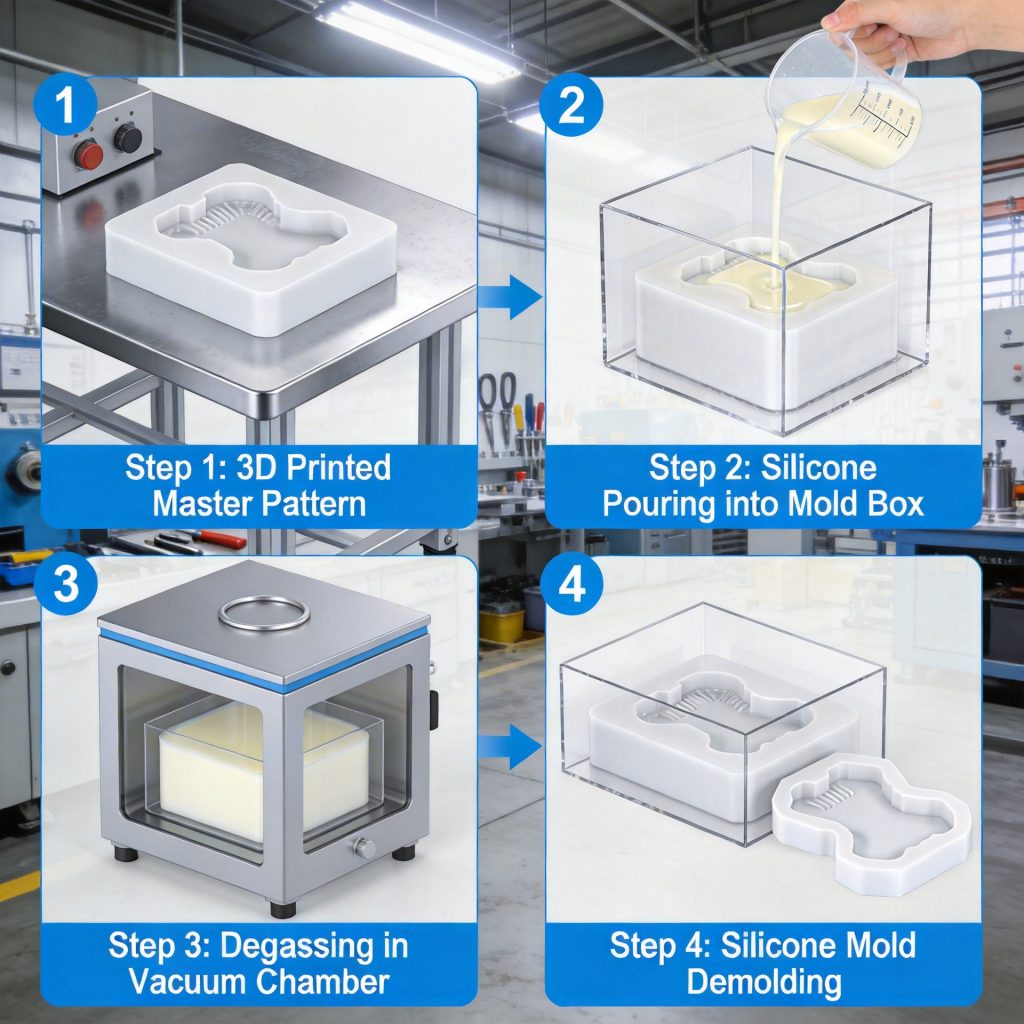
| Uneven mixing ratio | Platinum silicone needs exact 1:1 or 10:1 ratio | Measure by weight, not volume. Mix thoroughly for 3-5 minutes. |
| Pouring before degassing | Bubbles remain in cured mold | Always vacuum degas after mixing. Wait 5-10 minutes for bubbles to rise. |
Warning: If platinum silicone fails to cure (remains sticky or liquid), it is usually due to chemical inhibition, not product defect. Check your tools, workspace, and master pattern for sulfur or tin residue.
When to Use Platinum Silicone
Platinum silicone is the right choice when:
- You make food products (chocolate, fondant, gummy, ice)
- You make skin-contact products (soap, bath bombs, body care)
- You need dimensional accuracy (tight tolerances, interlocking parts)
- You plan production casting (200+ casts per mold)
- You cast hot materials (candle wax above 180°C (356°F))
- You want long mold life for B2B production
For more information about silicone mold basics, see our silicone mold guide.
When to Use Tin Silicone
Tin silicone is the right choice when:
- You make industrial products (concrete, plaster, resin for non-food use)
- You need quick prototypes (1-10 casts, fast cure time)
- You have a limited budget (DIY experiments, hobby projects)
- You work in contaminated environments (sulfur tools, tin residue risk)
- You do not need food safety
Checklist for Choosing Silicone Type
Before ordering silicone for mold making, check these points:
Silicone Selection Checklist
| Check | Why It Matters |
|---|---|
| ✅ Confirm casting material (food or industrial) | Determines if food-safe silicone is required |
| ✅ Estimate production volume | Affects silicone durability choice |
| ✅ Check casting temperature | Heat resistance needed for hot wax/resin |
| ✅ Verify dimensional tolerance | Low shrinkage needed for precision parts |
| ✅ Review workspace contamination risk | Sulfur/tin residue affects platinum cure |
| ✅ Compare silicone cost vs mold lifespan | Platinum costs more but lasts longer |
| ✅ Check shelf life for storage needs | Tin silicone lasts longer in storage |
| ✅ Verify mixing ratio requirements | Platinum needs exact weight measurement |
Need Help Choosing Silicone for Your Mold Project?
If you are deciding between platinum silicone and tin silicone for candle molds, food molds, or industrial molds, BKSilicone can help. We provide both silicone types and custom mold manufacturing with 3D printed master pattern support. Contact us to discuss your project requirements.