
What Is Platinum Silicone?
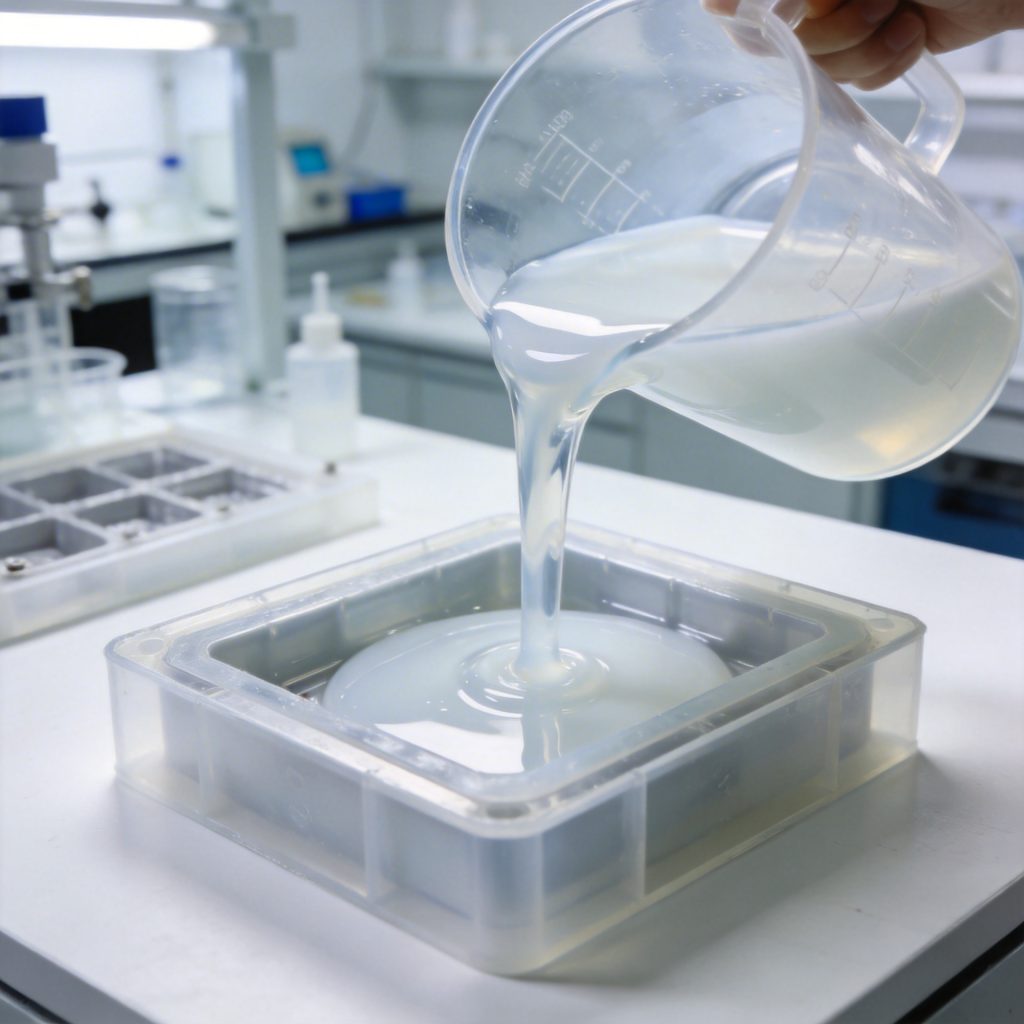
Platinum silicone is a high-quality liquid silicone rubber (LSR) cured by platinum catalyst. It is the preferred silicone type for food-safe molds, production casting, and precision applications. Review BK-A platinum-cure silicone in Shore A5 and A15 when comparing material options for a mold-making project.
At BKSilicone, we use platinum silicone for 80% of custom mold projects because it provides longer mold life, better dimensional accuracy, and food-safe compliance.
Platinum Silicone Properties Table
| Property | Typical Value | Advantage |
|---|---|---|
| Curing mechanism | Platinum catalyst (addition cure) | No byproducts, clean cure |
| Shrinkage | 0.1-0.5% | Excellent dimensional stability |
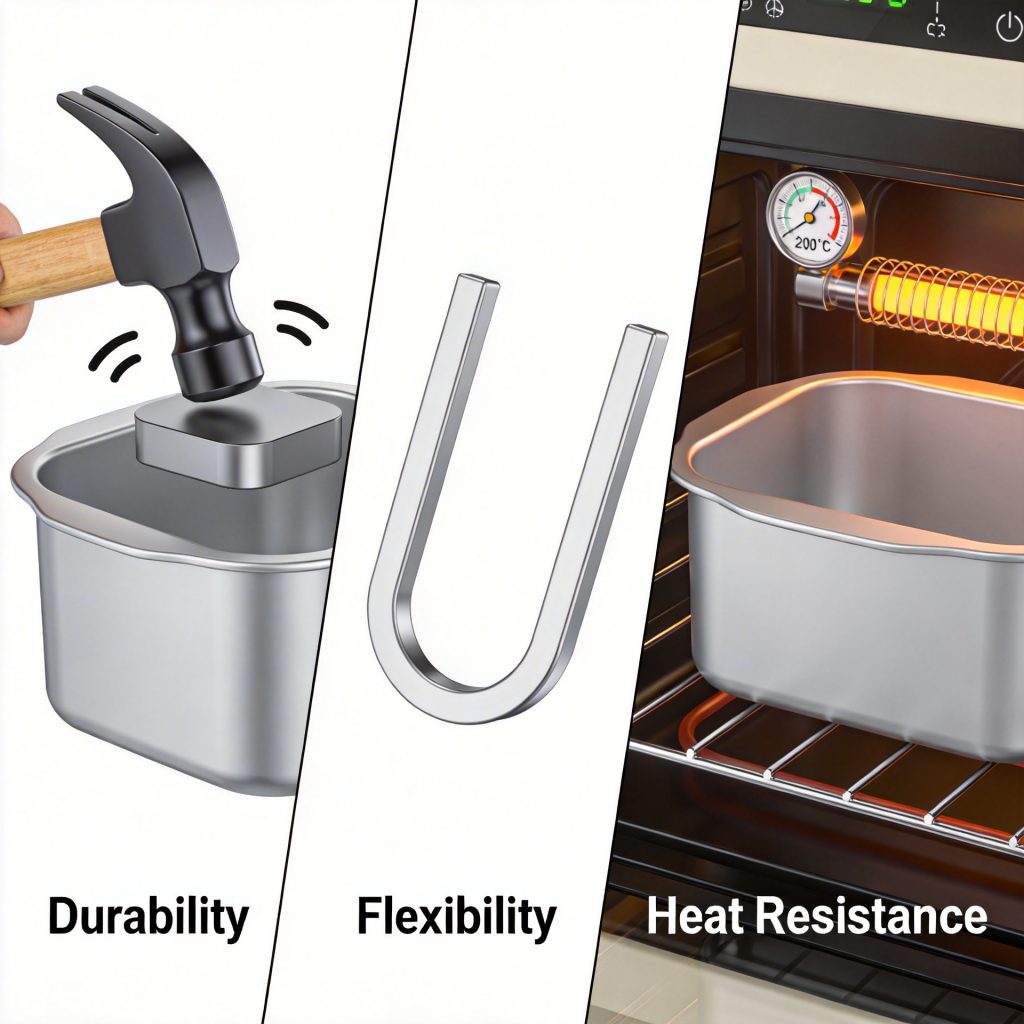
| Durability | 200-1000+ casts | Long mold life for production |
| Heat resistance | Up to 250°C (482°F) | Suitable for hot wax casting |
| Hardness range | Shore A 10-40 | Flexible for complex shapes |
| Tear strength | 30-50 kN/m | Resistant to demold stress |
| Food safety | FDA compliant (food-grade grades) | Safe for chocolate, fondant, gummy |
| Cure time | 4-8 hours at room temperature | Predictable workflow |
| Chemical resistance | Good against most casting materials | Works with wax, resin, plaster, concrete |
| Transparency | Clear to translucent | Easy to see demold progress |
For example, a platinum silicone candle mold at Shore A 20-25 can last 500+ casts with proper care, compared to 50-100 casts for tin silicone molds.
How Platinum Silicone Works in Mold Making
Platinum silicone uses addition cure chemistry. The platinum catalyst triggers crosslinking without producing byproducts. This results in clean, dimensionally stable molds.
5-Step Platinum Silicone Mold Making Process
| Step | Action | Details |
|---|---|---|
| 1. Weigh components | Measure Part A and Part B by weight | Typical ratio: 1:1 or 10:1 by weight. Use digital scale for accuracy. |
| 2. Mix thoroughly | Combine Part A and Part B | Mix for 3-5 minutes. Scrape container walls to ensure uniform mixing. |
| 3. Vacuum degas | Remove air bubbles | Place in vacuum chamber for 5-10 minutes. Bubbles rise and burst. |
| 4. Pour slowly | Pour into mold box | Pour from one corner to reduce air traps. Pour height 10-20cm (3.9 in–7.9 in) above pattern. |
| 5. Cure and demold | Wait 4-8 hours, remove master pattern | Cure at room temperature. Heat (50-60°C (122°F–140°F)) accelerates cure to 1-2 hours. |
In our experience at BKSilicone, proper mixing and degassing are the two most critical steps. Uneven mixing causes soft spots; inadequate degassing causes bubble holes on mold surface.
Common Mistakes When Using Platinum Silicone
Platinum silicone is sensitive to certain chemicals. Here are mistakes that cause curing failure:
Warning / Common Mistakes
| Mistake | Why It Happens | How to Avoid |
|---|---|---|
| Contact with sulfur clay | Sulfur inhibits platinum catalyst | Use polymer clay or sealed master patterns. Avoid sulfur-based clays. |
| Contact with tin silicone residue | Tin residue on tools contaminates platinum | Use separate tools for platinum and tin silicone. Clean thoroughly. |
| Latex gloves | Latex contains sulfur | Use nitrile gloves when handling platinum silicone. |
| Uneven mixing ratio | Visual measurement instead of weight | Always measure by weight. Use digital scale with 0.1g (<0.1 oz) precision. |
| Skipping degassing | Assume bubbles will escape during cure | Always vacuum degas. Bubbles trapped in mold cause surface defects. |
| Pouring too fast | Creates air traps around pattern | Pour slowly from one corner. Let silicone flow around pattern. |
| Demolding too early | Mold not fully cured, tears easily | Wait full cure time (4-8 hours) before demold. Check cure with finger press. |
Warning: If platinum silicone fails to cure (remains sticky or liquid), check your tools, workspace, and master pattern for sulfur or tin residue. This is chemical inhibition, not product defect.
When to Choose Platinum Silicone
Platinum silicone is the right choice when:
- You make food products (chocolate, fondant, gummy, ice, butter)
- You make skin-contact products (soap, bath bombs, body care)
- You need dimensional accuracy (tight tolerances, interlocking parts)
- You plan production casting (200+ casts per mold)
- You cast hot materials (candle wax above 180°C (356°F))
- You want long mold life for B2B production
For comparison with tin silicone, see our platinum vs tin silicone guide.
Platinum Silicone Applications
Platinum silicone works with many casting materials:
Application Compatibility Table
| Application | Material | Suitable Platinum Silicone Grade |
|---|---|---|
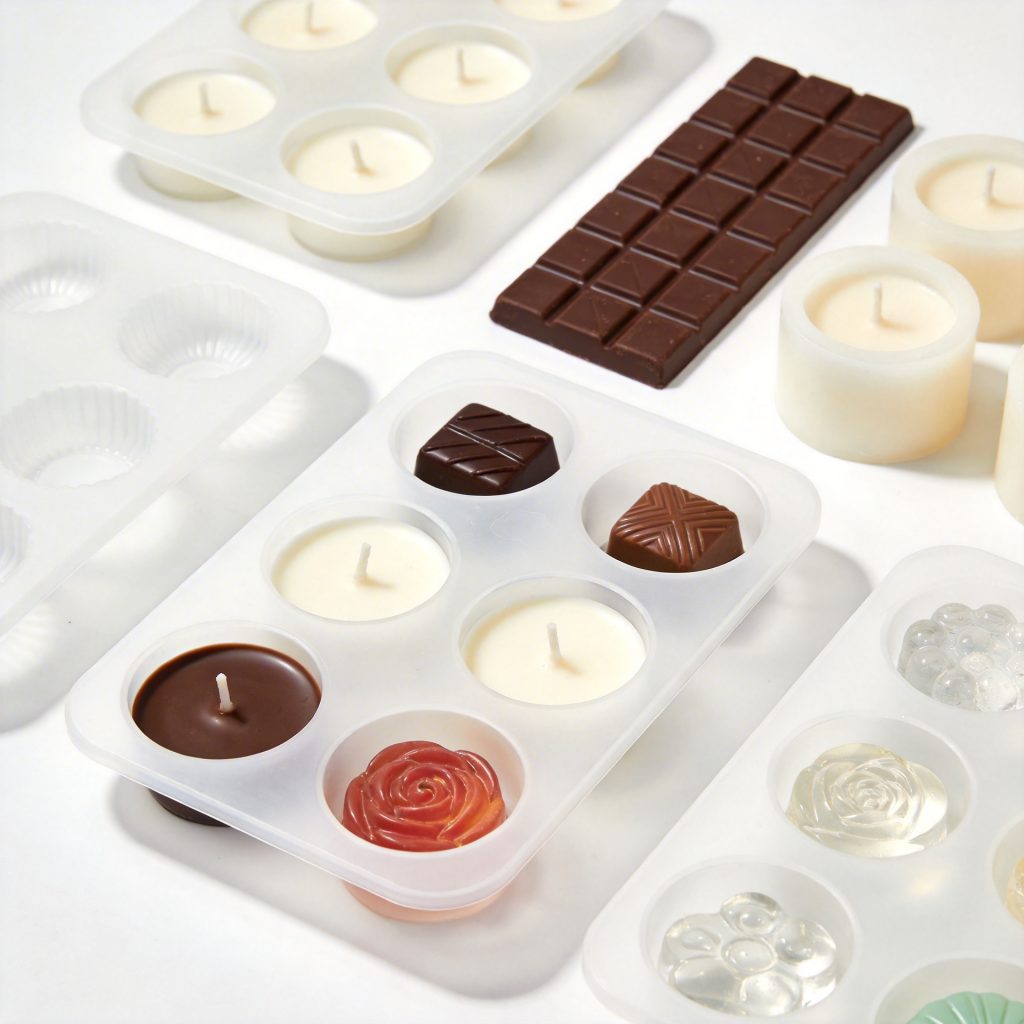
| Candle molds | Candle wax (paraffin, soy, beeswax) | Shore A 20-30, heat-resistant grade |
| Chocolate molds | Chocolate, fondant | Food-grade Shore A 15-25, FDA compliant |
| Resin molds | Epoxy, UV resin | Shore A 20-35, may need release agent |
| Soap molds | Melt-and-pour soap | Shore A 15-25, heat-resistant for hot pour |
| Gummy molds | Gummy candy, jelly | Food-grade Shore A 10-20, flexible |
| Concrete molds | Concrete, plaster, gypsum | Shore A 25-40, high tear strength |
For more silicone mold basics, see our silicone mold guide.
Checklist for Platinum Silicone Mold Making
Before starting platinum silicone mold making, check these points:
Pre-Work Checklist
| Check | Why It Matters |
|---|---|
| ✅ Verify food-grade requirement | Food-grade silicone costs more but required for food contact |
| ✅ Check master pattern material | Avoid sulfur clay, tin residue, latex near platinum silicone |
| ✅ Prepare nitrile gloves | Do not use latex gloves with platinum silicone |
| ✅ Set up digital scale | Weight measurement required for accurate mixing ratio |
| ✅ Prepare vacuum chamber | Degassing removes bubbles for smooth mold surface |
| ✅ Check cure time schedule | Platinum silicone needs 4-8 hours cure at room temperature |
| ✅ Verify workspace cleanliness | Clean tools prevent contamination and curing failure |
| ✅ Plan mold box size | Calculate silicone volume needed based on pattern dimensions |
Need Platinum Silicone Molds for Your Project?
If you need platinum silicone molds for candle production, chocolate making, food products, or B2B manufacturing, BKSilicone provides factory-direct custom mold service with food-grade platinum silicone and 3D printed master pattern support. Contact us to discuss your requirements.