
Choosing a supplier for an OEM silicone mold project is not the same as buying a standard catalog item. A low quotation may appear attractive at the beginning, but the real cost of a weak supplier often becomes visible later through repeated design changes, difficult demolding, unclear sample approval, inconsistent bulk production, unsuitable packaging, or missed launch dates. For project development, see custom silicone mold development from CAD, drawings or samples.
The manufacturer you select influences design manufacturability, sample quality, project timing, and the stability of future orders. A capable team should identify risks before production, explain the proposed mold structure, and request enough project information to make a responsible recommendation rather than giving an instant price based only on a photograph.
When comparing a Custom Silicone Mold Manufacturer, buyers should examine engineering support, sample control, material suitability, quality management, confidentiality, communication, and quotation transparency—not only the unit price.
What to verify before comparing price
A useful supplier asks enough questions to define the project before promising price, timing, or performance.
Start with Your OEM Project Requirements
A manufacturer cannot evaluate an OEM mold accurately from a product name or reference photograph alone. Before requesting a quotation, define what will be cast, how the mold will be used, which features affect the finished product, and what the initial commercial plan looks like.
State the intended casting material and the expected use conditions. Wax, soap, resin, concrete, plaster, gypsum, and food-contact products can create different requirements for opening position, wall support, surface finish, cleaning, filling, and demolding. The manufacturer needs this context before recommending a structure or sample plan.
Provide finished dimensions rather than relying only on an image. Include overall length, width, and height, then identify logo depth, textures, narrow gaps, thin projections, internal cavities, openings, or mating features. Mark which dimensions are fixed and which may be adjusted during design review.
Quantity also matters. A one-off prototype, a small studio order, a wholesale launch, and a repeat industrial program may justify different decisions about cavity layout, mold structure, inspection, labeling, and packaging. Share the expected sample quantity, first production quantity, and likely reorder range without presenting uncertain forecasts as guaranteed demand.
What a Custom Silicone Mold Manufacturer needs from your RFQ
Check Engineering and Design Review Capability
Engineering support is one of the clearest differences between a basic silicone mold supplier and an OEM project partner. A capable team should review the design before final pricing instead of simply confirming that the visible shape can be copied.
BKSilicone can review STL, STEP, IGS, OBJ, PDF, JPG, and PNG files, as well as drawings, sketches, reference photographs, or physical samples. File acceptance is only the beginning. Buyers should evaluate how the supplier interprets the information, identifies missing details, and explains manufacturability risks.
Ask for the proposed demolding direction. Deep recesses, reverse angles, enclosed shapes, narrow necks, and fragile projections may cause the finished casting to catch during release. A useful review identifies where the silicone will stretch, which details may distort, and whether the design needs a controlled opening, insert, or multi-part structure.
Wall thickness and external support should also be discussed. Thin areas may deform during filling or demolding, while unnecessarily heavy areas may increase material use and make handling or packaging more difficult. A supplier should explain how the mold will remain stable during use without relying on unsupported performance figures.
The parting line deserves particular attention. Buyers should ask where the mold will open, where seams may appear, and whether those seams cross a logo, texture, or customer-facing surface. This discussion is essential when the commercial value of the finished product depends on clean presentation.
Questions that reveal real engineering depth
- Which file or physical sample will be treated as the production reference?
- What demolding direction is proposed, and where may the casting catch?
- Where will the parting line, opening, or removable insert be located?
- Are there trapped sections, fragile details, narrow channels, or thin walls?
- Which features should be adjusted for manufacturability?
- What information must be confirmed before the sample stage begins?
Evaluate Prototyping and Sample Approval
A prototype or sample mold allows the buyer to verify the design before bulk production. It is especially valuable for complex details, visible seams, unusual release paths, new casting materials, strict appearance requirements, or projects developed from photographs and physical samples.
Clarify what the sample stage includes. Depending on the project, the supplier may first submit a revised digital model, a marked drawing, a master pattern, a sample mold, or a trial casting. Buyers should understand which deliverable is included in the quotation and which item becomes the controlled production reference.
Approval should be documented rather than handled through scattered messages. A dated PDF, confirmed 3D file, signed dimension sheet, photographs, video review, or physical sample can form the approval record. Revision numbers and a short change summary prevent feedback from being applied to the wrong version.
The number of modification rounds should also be clear. Buyers should know which changes are included, which changes require a new sample, and how additional revisions may affect cost or timing. This protects both parties from treating a major design change as a minor correction.
Use the intended casting material whenever practical. A mold that performs well with one trial material may behave differently with the buyer’s actual wax, soap base, resin system, concrete mix, plaster, or food-contact process. When the supplier cannot validate the exact material, the buyer should conduct an application-specific trial before bulk approval.
Verify Material Selection and Production Fit
Material selection should begin with the real application, not with a general claim that one silicone formulation suits every project. The manufacturer should ask what will be poured into the mold, how the mold will be supported, how the casting will be removed, how it will be cleaned, and what documentation the destination market may require.
Wax projects may require attention to pouring, wick access, tall sections, seam placement, and support. Soap molds may depend on cavity layout, logo definition, surface appearance, cleaning, and repeated batch handling. Resin projects can involve rigid castings, narrow details, deep sections, and compatibility questions that should be checked through sampling.
Concrete, cement, gypsum, and plaster projects may place different mechanical demands on a mold because of product weight, moisture, fillers, and demolding method. The supplier may need to review wall support, base stability, mold opening, and whether an outer support is necessary.
Food-contact projects require extra care. A general material description is not enough by itself. Confirm the proposed material, intended contact conditions, cleaning method, destination-market requirements, and available TDS, SDS, test information, or declarations. Where the available evidence does not cover the actual application, arrange a sample test before bulk production.
Check existing products before starting a custom build
When the required size and shape already exist, a catalog mold may reduce development work and provide a faster purchasing route.

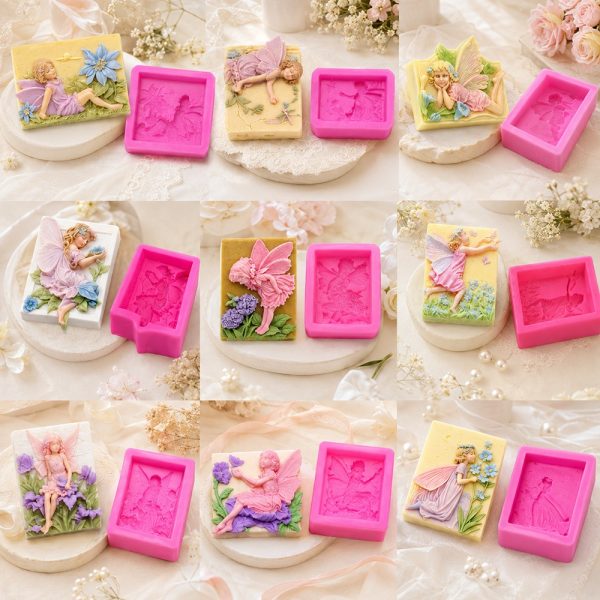
Custom project or ready-made mold?
BKSilicone’s custom service is most relevant when the buyer already has a defined idea, drawing, 3D file, photograph, or physical sample and needs engineering input before production. A standard catalog mold may be more efficient when the existing design already meets the required size, use, and packaging conditions.
- The shape, logo, dimensions, or packaging are exclusive.
- Engineering review or controlled revisions are required.
- A sample must be approved before repeat production.
- NDA, ownership, or inspection responsibilities need to be defined.
- An existing product already matches the required shape and size.
- No private logo, structure change, or custom packaging is needed.
- The buyer needs a faster catalog purchase rather than development.
- Application-specific testing or drawing control is not required.
Review Quality Control and Bulk Production Readiness
A good sample does not automatically guarantee a stable bulk order. Before production, ask how the manufacturer controls incoming material, visible mold quality, critical dimensions, first-piece performance, packaging, and consistency across the production quantity.
Incoming checks should confirm that the approved material is used and that substitutions require written approval. Surface inspection should focus on contamination, incomplete details, unintended marks, tears, distorted edges, and defects in customer-facing areas. Multi-part molds should also be checked for fit and alignment.
Dimensional inspection should follow the approved drawing or sample. Mark critical dimensions, mating features, logo position, cavity size, and outer dimensions that affect use or packaging. A first-piece trial can reveal filling, support, release, and appearance problems that visual inspection alone may not identify.
For larger projects, ask how early production pieces will be compared with the approved sample and current revision. The objective is not to create unnecessary paperwork; it is to make sure production, inspection, and packaging continue to follow the same agreed reference.
Communication, Confidentiality and Project Ownership
OEM projects may involve original product concepts, brand assets, artwork, prototypes, or unreleased collections. Confidentiality should be discussed before sensitive files are transferred. Buyers should review the actual NDA terms and confirm the legal parties, the definition of confidential information, permitted use, disclosure restrictions, and duration.
Ownership also needs written clarification. Confirm who owns the original design, revised CAD data, master pattern, production mold, packaging artwork, project-specific fixtures, and project photographs. Also confirm whether files and physical tooling will be retained, returned, stored, or destroyed after the project.
Ask for one responsible project contact and one approval route. Each change should show the revision number, date, requested modification, cost or timing effect, and approval status. Verbal discussions should be summarized in writing before work continues.
Responsibility boundaries should be practical. The buyer may be responsible for intended use, destination-market requirements, final artwork, and application testing. The manufacturer may be responsible for producing to the approved reference, using the agreed material, completing agreed checks, and packaging according to the confirmed method.
Quotation Checklist for OEM Buyers
A useful RFQ allows different suppliers to quote the same project scope. If one supplier receives a complete 3D file and packaging brief while another receives only a photograph, the resulting prices are not directly comparable.
The quotation should identify the design basis, proposed mold structure, sample scope, material basis, packaging, shipping basis, payment terms, quotation validity, exclusions, and assumptions that may change price or timing. A preliminary quotation based on incomplete information should be labeled accordingly.
Information to send
- Final or preliminary design file
- Clear photographs or a physical sample
- Finished dimensions and critical details
- Casting material, application, and target market
- Sample need and estimated order quantity
- Packaging and labeling requirements
- Delivery country, timing, NDA, and document needs
What the quotation should state
- Design version used for pricing
- Proposed mold, cavity, or part structure
- Sample deliverable and approval stage
- Material basis and color requirements
- Packaging and shipping basis
- Payment terms, validity, and exclusions
- Assumptions that may trigger a revised quote
Red Flags When Comparing Suppliers
An unusually low quotation without technical questions deserves careful review. The price may cover a simplified structure, a different material, limited sampling, basic packaging, or a scope that excludes design support and later modifications.
The clearest warning signs usually appear in the supplier’s process rather than in polished sales language. Missing questions, vague approvals, and unsupported promises often reveal greater project risk than a modest difference in price.
“We can make it exactly like the picture” is not a controlled OEM approval method. A qualified supplier should explain what will be submitted, how revisions will be recorded, what the buyer must approve, and when the design becomes the production reference.
Decision Checklist
Use the same evaluation logic for every shortlisted supplier. A strong candidate does not need to provide an instant answer to every technical question, but should identify what must be reviewed, tested, documented, or approved before production.
The best choice is usually the supplier that provides a workable combination of technical judgment, controlled sample approval, clear responsibility, bulk-production readiness, and commercial transparency. A manufacturer that explains a limitation honestly may be safer than one that promises every requirement without reviewing the design.
- Confirm manufacturing fit. The supplier can explain the required size, structure, opening method, support, and production approach.
- Confirm engineering support. The review covers the real file or sample, demolding direction, parting line, undercuts, thin areas, and unresolved risks.
- Confirm sample control. The deliverable, approval reference, revision rounds, and intended-material trial are clearly defined.
- Confirm quality readiness. Critical dimensions, visible surfaces, first-piece checks, bulk consistency, and packaging are addressed.
- Confirm project governance. The responsible contact, NDA, ownership, revision records, and responsibility boundaries are clear.
- Confirm quotation transparency. The quote states its design basis, material, sample scope, assumptions, exclusions, and possible change triggers.
Frequently Asked Questions
Submit Your Project for Manufacturability Review and Quotation
Send your design file or physical sample, finished dimensions, intended casting material, estimated quantity, delivery country, packaging needs, and target timing. BKSilicone can review the project basis, identify missing details, discuss a suitable sample route, and prepare a quotation according to the confirmed scope.
Pricing, production timing, material documentation, sample scope, testing needs, and performance expectations must be confirmed for the actual project.